

Content reviewed by:
Alex Shulman
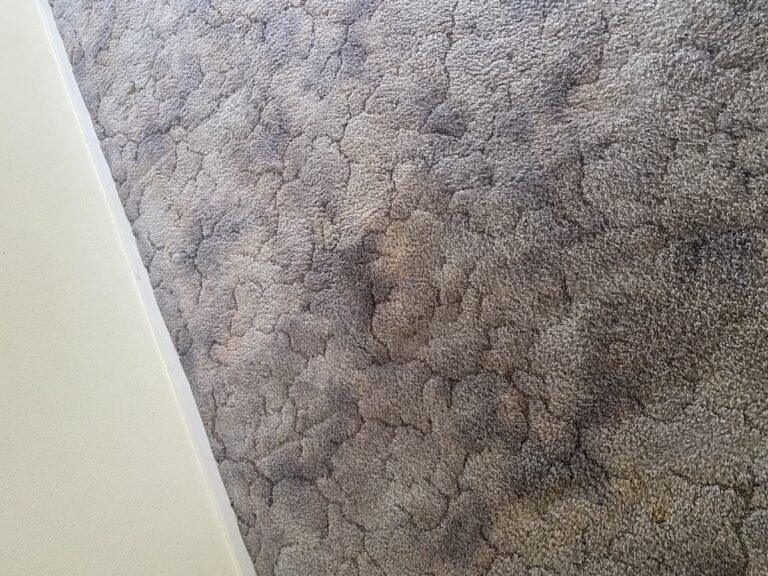
If you fell because of torn carpet or floor mats, you may have a premises liability claim if a property owner, business, or other party failed to fix or warn about a dangerous flooring condition. Falls caused by torn carpeting, loose rugs, curled mats, or bunched entry mats can lead to serious injuries.
These cases often depend on whether the hazard was known, how long it existed, and whether the property owner acted reasonably.
Photos, incident reports, witness statements, and medical records can all help show what happened and how the fall affected you. To learn more, talk to a slip and fall accident lawyer today during a free consultation.
Can Torn Carpet or Floor Mats Create a Valid Injury Claim?
Yes, torn carpet or floor mats can create a valid injury claim when they present an unsafe walking surface, and someone with control of the property failed to address the danger. Property owners and businesses are not automatically liable for every fall, but they can be responsible when a hazardous condition should have been fixed or clearly marked.
A torn carpet claim often involves showing that the defect was more than a minor irregularity. If the carpet was frayed, lifted, loose, or uneven enough to catch a shoe or affect footing, that may support a case. Floor mat accident claims can also arise when a mat slides, curls at the edges, bunches up, or is placed where it creates a tripping risk.
The setting matters as well. Commercial properties that expect regular foot traffic may have a duty to inspect walkways and entry areas at reasonable intervals. If the danger remained in place without repair or warning, that fact may support your claim.
What Must You Prove After a Fall on Damaged Flooring?
You generally need to prove that a dangerous condition existed, that the responsible party knew or should have known about it, and that the condition caused your injuries. You also need to show that you suffered actual harm, such as medical bills, lost income, or physical pain. Without that connection, a claim may be harder to support.
In many cases, notice is the central issue. A business may deny knowing about a torn carpet or loose mat, so evidence that the condition existed long enough to be found can matter a great deal. Maintenance records, surveillance footage, and prior complaints may help show that the hazard was not new.
The condition itself must also be tied to your fall. If there were other possible causes, the insurance company may argue that your footwear, distraction, or pace caused the incident instead. Clear evidence from the scene can help address those arguments.

What Evidence Helps Prove a Torn Carpet Claim?
Strong evidence can help show both the dangerous condition and the harm it caused. The more documentation you have from the day of the fall and the days that followed, the easier it may be to explain what happened. Even small details can make a difference in a premises liability case.
Common evidence in these claims includes the following:
- Photographs of the torn carpet, loose rug, or curled mat should be taken as soon as possible.
- Video footage from security cameras may show the condition before and during the fall.
- Witness statements can help confirm how long the hazard was present or how the fall happened.
- An incident report may record when and where you notified staff about the accident.
- Medical records can connect the fall to your injuries and document your treatment.
- Shoes or clothing from the day of the incident may help show how the trip occurred.
If you are physically able, reporting the fall right away can also help preserve facts. In some cases, the hazardous mat or carpet is repaired or removed soon after the incident. Early documentation may help prevent disputes later.
What Compensation May Be Available After a Floor Mat Accident?
If you were hurt in a floor mat accident or torn carpet fall, compensation may be available for both financial losses and the personal impact of the injury. The value of a claim depends on the severity of your injuries, the treatment you needed, and how the fall affected your daily life. No two claims have the same value.
Damages may include medical costs from emergency care, follow-up visits, physical therapy, medication, and other treatment. You may also seek lost wages if your injuries kept you from working, along with payment for reduced earning ability if the effects last longer. Pain, physical limitations, and changes in daily routine may also be part of the claim.
Insurance companies often try to limit these claims by arguing that the injury was minor or unrelated to the fall. Prompt treatment and consistent records can help show the real effect of the accident. A torn carpet claim is often stronger when the medical timeline matches the event clearly.
What Should You Do After Falling Because of Torn Carpet or Floor Mats?
After falling because of torn carpet or floor mats, you should seek medical care, report the incident, and preserve evidence if you can do so safely. Your health comes first, especially if you hit your head, feel severe pain, or have trouble standing or walking. Prompt care also creates a record connecting the fall to your injuries.
If possible, take photos of the area before the condition is changed. Ask for a copy of any incident report, and get names and contact information for witnesses who saw the fall or the hazard. Avoid giving detailed recorded statements to an insurer before you know the extent of your injuries.
You should also keep records of your treatment, missed work, and out-of-pocket costs. These details help show how the accident affected you over time. Waiting too long to act can make evidence harder to find and harder to use.
Speak With Shulman & Hill About a Torn Carpet or Floor Mat Fall Today
A fall caused by torn carpet or floor mats may lead to a valid premises liability claim when a dangerous condition was left uncorrected or unmarked. These cases often depend on proof of notice, the condition of the flooring, and clear evidence connecting the fall to your injuries.
If you were hurt after tripping on damaged flooring, Shulman & Hill can review the facts of your situation and explain what steps may come next.
With over 200 years of combined experience and more than $1 billion recovered, our team can help you learn whether the property owner or another party may be legally responsible. Contact us today for a free case review.