

Content reviewed by:
Alex Shulman
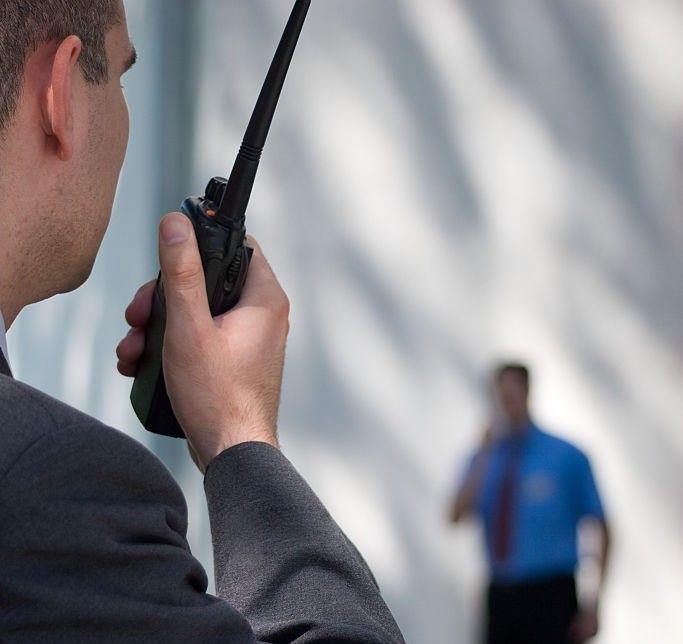
If security guards fail to intervene before an injury occurs, you may be able to file a premises liability lawsuit against them, their employer, or the property owner.
Negligent security cases tend to be complicated. If you were injured because of a security guard’s negligence, a New York premises liability lawyer from Shulman & Hill Injury Lawyers can identify who is liable and help you pursue compensation.
What Happens if Security Guards Don’t Intervene Before an Injury?
If a security guard fails to intervene before an injury occurs, you may be able to bring a premises liability lawsuit against the guard, the property owner, the security company, or another party.
Simply showing that a guard was present when your injury occurred is not enough to hold them legally responsible. To win a lawsuit, you must prove that the guard had a legal duty to take reasonable action under the circumstances.
A premises liability attorney from Shulman & Hill can evaluate your case and determine whether you have grounds for a lawsuit.
Who Is Liable for My Injury?
Depending on the circumstances of your injury, liability may extend beyond the individual security guard. Several parties could share responsibility if their negligence contributed to the injury. Potentially liable parties include:
- The security guard: A security guard may potentially be liable if they acted negligently by failing to respond appropriately to a known or foreseeable danger.
- The security company: If the guard works for a private security company, the company may potentially be responsible for the guard’s conduct. The security company’s own actions may also matter if inadequate training, supervision, staffing, or procedures contributed to the injury.
- The property owner or business: A property owner or business may potentially be liable if it failed to take reasonable precautions against foreseeable dangers. This could include failing to provide adequate security despite known risks or failing to address repeated security issues.
- An event organizer or venue operator: At concerts, sporting events, festivals, nightclubs, and other gatherings, responsibility may potentially extend to event organizers or venue operators who were responsible for arranging and maintaining appropriate security.
A personal injury lawyer from Shulman & Hill can help identify who is liable for your injuries and hold them accountable.

How Can You Prove Security Guard Negligence?
Evidence is important in cases involving a failure to intervene. Types of evidence that may support your negligent security claim include:
- Security camera footage: Video may show what the guard knew, when the guard became aware of the threat, and what the guard did or did not do.
- Witness statements: People who saw the incident or reported the danger beforehand may provide important testimony.
- Security reports: Incident reports can reveal what guards documented about the event and whether they followed established procedures.
- 911 records: Emergency calls may establish when authorities were contacted and what information was communicated.
- Prior complaints: Earlier reports involving the same person, property, or security problem may help establish foreseeability.
- Employment and training records: Training materials and policies may help show what security personnel were expected to do.
- Security contracts: Contracts can provide information about the services the security company was hired to provide.
A personal injury attorney from Shulman & Hill can help gather evidence to prove what happened and who is responsible.
How Long Do You Have to File a Premises Liability Lawsuit in New York?
Under NY CPLR § 214, you generally have three years from the date of the injury to file a premises liability lawsuit for negligent security.
However, exceptions may apply depending on the specifics of your case. Claims involving certain government entities, for example, can have much shorter notice and filing requirements.
The premises liability lawyers at Shulman & Hill can review your case and explain how much time you have left to file a claim.
When Do Security Guards Have a Duty to Intervene?
Security guards generally do not have a legal duty to intervene in crimes or protect third-party visitors unless required by their employment contract or post orders.
That said, a guard may have a duty to intervene if they receive a warning about a threat to people on the property or must take action to defend themself or others from imminent physical harm.
Even when a guard has a duty to act, the law generally does not require security personnel to put themselves in unreasonable danger. The appropriate response may involve calling law enforcement, notifying management, warning people in the area, or requesting assistance rather than confronting a dangerous individual.
Examples of Failure to Intervene from a Security Guard
Security guard negligence can take many forms. Examples may include:
- Failing to respond to an escalating fight
- Ignoring a person making credible threats
- Failing to call police when an immediate threat arises
- Abandoning their post without justification
- Failing to investigate an obvious security threat
- Failing to follow established emergency procedures
- Failing to warn people about a known and immediate danger
Speak to a Premises Liability Lawyer
Security guards are not automatically responsible for every injury that occurs while they are on duty. However, if a guard knew about a foreseeable danger, had a reasonable opportunity to respond, and failed to take appropriate action to prevent your injury, a premises liability attorney from Shulman & Hill can help you file a claim and secure a fair settlement.
Schedule a free case review to find out whether you have a valid lawsuit.