

Content reviewed by:
Alex Shulman
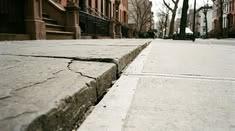
Liability for a slip and fall on a broken sidewalk often depends on who owned, controlled, or was legally responsible for maintaining the sidewalk.
In New York, that may be a private property owner, a city or municipality, or another party with a duty to keep the walkway reasonably safe.
The answer to who is liable for a slip and fall accident on a broken sidewalk is not always simple. State laws about sidewalk maintenance can vary depending on where the accident occurred and who had the legal duty to repair the defect. Sorting out those issues early can make a difference when pursuing a claim.
A Manhattan slip and fall lawyer from Shulman & Hill helps people injured in other negligence cases, including sidewalk falls, by identifying the liable party, gathering evidence, and explaining the legal options available under New York law.
Liability for a Slip and Fall Injury Depends on Who Was Responsible for the Sidewalk
Many people assume that the city automatically pays for sidewalk injuries, but that is not always true. Responsibility usually depends on several factors, including:
- Where the sidewalk is located.
- Who owned the nearby property.
- Whether someone had a legal duty to maintain the sidewalk.
- Whether the dangerous condition existed long enough for repair to be made.
- Whether another party created the hazard.
The property owner next to the sidewalk may be responsible in many parts of New York City. In other locations, a city, town, village, or another government agency may still be responsible. At Shulman & Hill, we investigate sidewalk accident cases to determine who may be legally liable for covering a person’s injuries.
New York City Places Many Sidewalk Duties on Property Owners
An important New York law involving sidewalk injuries is New York City Administrative Code § 7-210. This law generally requires that owners of properties that border a public sidewalk keep that sidewalk in a reasonably safe condition.
That responsibility may include repairing dangerous cracks, uneven pavement, broken concrete, or other hazards. The law generally applies to commercial properties and many residential properties. Some owner-occupied one-, two-, and three-family homes used exclusively for residential purposes are exceptions under the statute.
Because there are exceptions, every case deserves an individual review. A Manhattan premises liability lawyer from Shulman & Hill will examine property records and maintenance responsibilities to determine whether Section 7-210 may apply to a sidewalk injury.
The City May Still Be Responsible in Some Cases
Some sidewalk accident claims still involve the City of New York or another municipality. Examples include situations involving sidewalks that remain under municipal responsibility, public parks, government-owned property, certain public buildings, and defects caused by city construction work.

What Makes Someone Legally Responsible?
An accident on a dangerous sidewalk does not automatically make someone responsible for a fall. In many cases, an injured person must show the liable party had a duty to maintain the sidewalk and knew, or should have known, about the dangerous condition.
They also must show the sidewalk was not repaired within a reasonable time and that the defect caused the injuries. Shulman & Hill investigates these issues to determine whether negligence may have caused a sidewalk accident.
What Can Help Prove a Sidewalk Fall Case?
Shulman & Hill uses various kinds of evidence in these cases. These may include:
- Pictures of the broken sidewalk
- Video footage from nearby homes or businesses
- Witness statements
- Medical records
- Accident reports
- Maintenance records
- Property ownership records
- Inspection reports
- Prior complaints about the sidewalk
- Measurements showing the size of the defect
Our team gets to work right away on these cases. Collecting evidence as soon as possible can help preserve proof of the condition that caused the fall.
What Losses Can a Sidewalk Injury Create?
A fall on broken concrete can mean more than paying an emergency room bill. After an accident, people can miss work for weeks or need surgery, physical therapy, or long-term care.
If another party is legally responsible for the accident, a claim may include damages for:
- Medical expenses
- Future medical treatment
- Lost income
- Loss of earning potential
- Rehabilitation costs
- Pain and suffering
- Emotional trauma
- Lasting disability
- Permanent scars
- Loss of enjoyment of life
Shulman & Hill reviews the short- and long-term effects of a sidewalk injury when evaluating a claim before deciding what damages to pursue.
Can You Still Have a Claim if You Were Partly at Fault?
New York follows a comparative fault rule under CPLR § 1411. If an injured person shares part of the blame for the accident, their percentage of fault reduces their damages.
For example, a person who did not notice a raised sidewalk may still have a claim if the property owner failed to repair a dangerous condition. Your Shulman & Hill lawyer will review the evidence to determine how comparative fault may apply under state law.
When Is the Deadline to File a Sidewalk Injury Lawsuit in NY?
The filing deadline depends on who may be responsible for the broken sidewalk. Personal injury lawsuits generally must be filed within three years from the injury date under NY CPLR § 214(5).
Claims against a municipality often follow different rules than claims against private property owners. For example, New York General Municipal Law §§ 50-e and 50-i require many injury claims against municipalities to begin with a Notice of Claim within a limited period of time before a lawsuit may proceed.
Shulman & Hill helps clients determine which filing deadlines apply to their cases before important time limits expire.
Steps to Take After a Broken Sidewalk Fall
If you have suffered an injury from a fall, consider taking these steps if possible:
- Get medical help right away.
- Take pictures of the broken sidewalk before it is repaired.
- Report the accident to authorities if appropriate.
- Keep the shoes and clothing worn during the fall.
- Save your medical records and receipts.
- Avoid repairing or changing evidence that can help show what happened.
- Speak with a lawyer before accepting an insurance settlement.
Shulman & Hill will work to preserve information that may support your premises liability claim.
We Can Help Determine Who Is Liable for a Slip and Fall on a Broken Sidewalk
If you were hurt because of a broken sidewalk, finding the right party to hold responsible is one of the first steps toward pursuing a claim. Shulman & Hill is committed to identifying the parties who are legally responsible for your accident and pursuing full damages for your losses.
We have helped thousands across New York recover compensation for the injuries they suffered because of another’s negligence. Since 2013, our Manhattan personal injury lawyers have recovered over $1 billion for injured clients. Our attorneys bring 200+ years of combined experience to the injury cases we handle.
We work on a contingency fee basis, so we will handle your case at no upfront cost and receive payment only if you recover damages. New York, We Got You. We can also travel to you if necessary. Call us today for a free consultation to learn about how you can move forward.