

Content reviewed by:
Alex Shulman
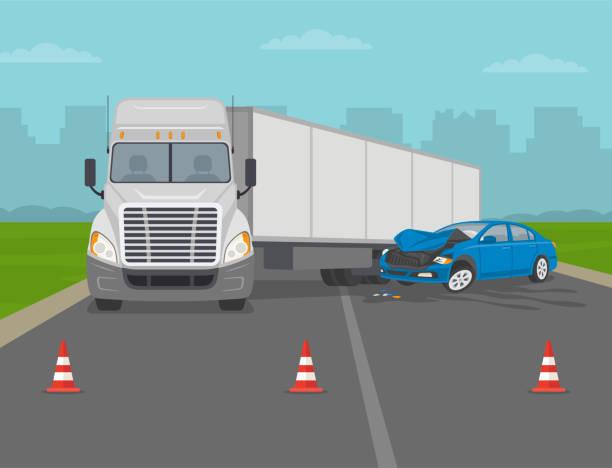
Who is liable in an underride truck accident depends on how the crash happened, but liability often falls on the truck driver, trucking companies, maintenance providers, or other parties responsible for unsafe commercial trucks or missing safety equipment.
Underride accidents are some of the most devastating truck crashes on New York roads. These crashes happen when a passenger vehicle slides underneath a truck or semi-truck’s trailer during a collision. Many underride crashes lead to catastrophic injuries, including traumatic brain injuries, spinal cord injuries, internal injuries, and fatal trauma injuries.
Victims and families dealing with underride truck accidents should speak with a New York truck accident lawyer as soon as possible. A lawyer can investigate whether the crash involved defective truck parts, failed underride guards, poor truck maintenance, or violations of federal trucking safety regulations.
What Causes Underride Truck Accidents?
Underride truck accidents can happen in several ways. Rear underride crashes occur when a passenger vehicle strikes the back of a trailer and slides underneath it. Side underride crashes happen when smaller passenger vehicles slide under the side of a trailer during a turn or lane change.
Several factors may contribute to an underride crash, including:
- Brake failure: A defective braking system or failed brake systems can prevent commercial trucks from stopping safely.
- Poor visibility: Trucks without proper reflective markings or side guards may be harder to see at night.
- Unsafe driving: A truck driver who speeds, stops suddenly, or changes lanes improperly can cause serious collisions.
- Lack of safety equipment: Missing or defective rear underride guards may increase the severity of injuries.
- Neglected maintenance: Failure to inspect or repair truck underride guards and trailers can create dangerous conditions.
Some underride accidents also involve jackknife accidents, rollover accidents, or blind spot accidents that place smaller vehicles directly in the truck’s path.
Who May Be Held Liable After an Underride Crash?
Liability in underride crashes is not always limited to the truck driver. Multiple parties may share responsibility depending on the evidence and circumstances.
At Shulman & Hill, we investigate every possible source of liability to help our clients pursue full compensation for medical bills, lost wages, and other damages tied to a truck accident lawsuit.
Potentially liable parties may include:
- Truck driver: A truck driver may be responsible for an underride crash if they were speeding, distracted, overly fatigued, or operating the truck in an unsafe way before the collision happened.
- Trucking companies: In some cases, trucking companies share liability for poor driver training, negligent hiring practices, unrealistic schedules, or failing to follow federal trucking safety regulations.
- Maintenance providers: Outside maintenance companies or repair crews may be involved if defective truck parts, brake failure, or missed inspections contributed to the crash.
- Auto manufacturers: Some underride accidents involve claims against manufacturers for defective underride guards, unsafe trailer designs, or failed safety features that should have reduced the severity of the collision.
- State or local government offices: Dangerous road conditions or missing roadway warnings may contribute to some underride accidents.
New York follows a comparative negligence system under CPLR § 1411. This means injured victims may still recover compensation even if they were partially at fault for the accident. Insurance companies often try to shift blame onto injured drivers, which makes a detailed accident investigation especially important.

How Do Federal Safety Regulations Affect Liability?
Federal law plays a major role in underride accident cases. The National Highway Traffic Safety Administration and the Federal Motor Carrier Safety Administration enforce safety standards designed to reduce underride crashes.
Federal Motor Vehicle Safety Standard No. 223 establishes requirements for rear underride guards on certain trailers and semitrailers. Federal Motor Vehicle Safety Standards also require qualifying trailers to include rear impact protection systems that meet strength and energy absorption standards. Important evidence in these cases may include:
- Electronic logging devices: Driving records may reveal hours-of-service violations.
- Accident report: Police findings can help identify how the underride crash occurred.
- Medical records: Hospital records, scans, and treatment notes can help show how the underride crash caused specific injuries and how serious those injuries really are.
- Collision reports: Investigators often use crash reconstruction evidence, vehicle damage, and roadway measurements to figure out how the impact happened and who may be at fault.
Federal agencies, including the National Highway Transportation Safety Administration, continue studying side underride guards and other safety features intended to reduce fatal underride crashes.
What Injuries Are Common In Underride Accidents?
Common injuries in underride accidents can be devastating, and a lot of people do not realize how violent these crashes really are until they see the damage afterward. When a passenger vehicle slides under a truck or trailer, the impact often crushes the upper part of the car, leaving victims with serious head and neck injuries, broken bones, or long-term physical limitations.
Spinal cord injuries are also common in underride crashes, especially in high-speed rear underride accidents. Some people lose mobility permanently, while others deal with chronic pain for years. Internal injuries are another major concern because bleeding or organ damage may not show symptoms right away, even though the injuries are extremely serious.
Traumatic brain injuries can require months or even years of treatment and rehabilitation. In the most severe underride truck accidents, victims do not survive. Families are suddenly left dealing with emotional trauma, financial pressure, and wrongful death claims all at once.
What Should Victims Do After An Underride Accident?
The steps taken after an underride crash can affect both health and legal claims. Victims should seek immediate medical evaluation even if symptoms seem minor at first.
After an underride accident, it is important to:
- Call emergency services: Getting police and medical responders to the scene creates an official record of what happened and helps document injuries right away.
- Preserve evidence: Take photos of the passenger vehicle, the truck or trailer, skid marks, debris, and roadway conditions if you are physically able to do so.
- Request records: Try to obtain the accident report, medical records, discharge paperwork, and any other documents connected to the underride crash.
- Avoid early settlements: Insurance companies sometimes move quickly after Truck Accidents and may offer settlements that do not fully cover medical bills or long-term losses.
- Contact a lawyer: A personal injury attorney can start investigating liability, preserving evidence, and identifying whether trucking companies or other parties may be responsible.
New York’s statute of limitations generally limits the amount of time victims have to file a personal injury lawsuit. Missing important deadlines may prevent recovery altogether.
Why Legal Representation Matters In Underride Accident Cases
Underride accident claims are often more complicated than standard personal injury cases. Trucking companies and insurers usually begin building defenses immediately after serious crashes occur.
At Shulman & Hill, we conduct in-depth investigations into underride accidents involving commercial trucks throughout New York. Our team reviews safety equipment records, electronic logging devices, truck maintenance history, and evidence to identify every liable party in your underride truck accident.
We handle cases on a contingency fee basis, which means our clients pay no attorney fees unless we recover compensation for them. Whether the case involves defective truck underride guards, unsafe trucking companies, or violations of federal law, we fight to help our clients pursue the financial recovery they deserve. Call today for a free consultation.