

Content reviewed by:
Alex Shulman
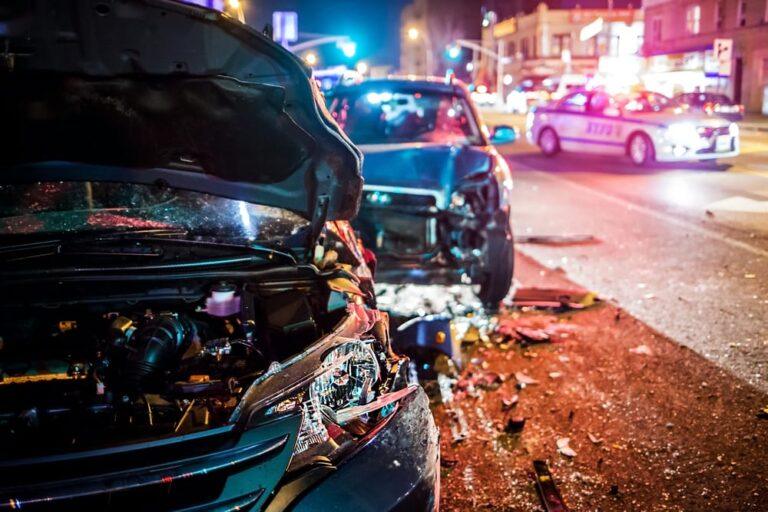
Who pays after a chain reaction accident in New York depends on who was responsible for the collision. Your own Personal Injury Protection (PIP) coverage pays for your medical bills and lost wages first, and you can pursue a personal injury lawsuit if you suffered serious injuries.
Obtaining compensation for a chain reaction accident can be challenging. If you were involved in this type of crash, a New York City car accident lawyer from Shulman & Hill can help you file a claim and recover damages.
Who Pays in a Chain Reaction Accident in New York?
After a chain reaction accident in New York, your own PIP insurance generally pays for your medical expenses and a portion of your lost wages, regardless of who caused the accident.
If you suffered serious injuries, you may also be able to step outside of the state’s no-fault insurance system and pursue a personal injury claim against the at-fault driver or drivers.
A car accident attorney from Shulman & Hill can assess your case and determine who is responsible for your damages.
Who Can Be Held Liable for a Chain Reaction Accident?
Several parties can be held liable for a chain reaction accident in New York, including
- The driver who caused the initial crash: A driver who was speeding, distracted, following too closely, or otherwise driving negligently may be liable if their actions started the chain reaction.
- Another driver involved in the collision: A second or third driver may share responsibility if they were also negligent.
- An employer: If a driver caused the crash while performing their job, the driver’s employer may potentially be held responsible.
- A vehicle owner: If a vehicle’s owner negligently entrusted a vehicle to an unsafe driver, that person may be liable for your damages.
- A vehicle or parts manufacturer: If a defective vehicle or component contributed to the crash, the manufacturer or another party in the distribution chain may potentially be responsible for your injuries.
- A government entity: If a dangerous roadway condition contributed to the accident, a government entity responsible for maintaining the road may be held liable.
The car accident lawyers at Shulman & Hill can investigate your accident and identify who is at fault.

What Happens If More Than One Driver Is at Fault?
For motor vehicle accident cases, New York follows a modified comparative negligence rule, which means more than one driver can be held responsible for a chain reaction crash.
If you are found to be more than 50% at fault, you will be barred from recovering damages. If you are 50% or less at fault, you can pursue damages, but your total award will be reduced by your percentage of fault.
Insurance companies may try to shift blame for the accident onto you, especially if there isn’t clear evidence of liability. The car accident lawyers at Shulman & Hill can help prove that you were not responsible for your crash.
How Is Fault Determined in a Chain Reaction Crash?
Insurance companies and courts examine a wide range of evidence to determine how a chain reaction accident occurred.
Types of evidence that may be used to establish fault include:
- Police reports: A police report can document the officers’ observations, statements from drivers and witnesses, and other factors that contributed to the crash.
- Vehicle damage: The location and severity of vehicle damage can provide clues about the order and force of the collisions that occurred.
- Traffic camera footage: Video from nearby intersections, businesses, or other sources may show what happened immediately before the crash.
- Dashcam video: Recordings from vehicles involved in the crash or nearby motorists can sometimes help establish the sequence of events.
- Witness statements: People who saw the collision may be able to describe what they observed.
- Accident reconstruction: In complicated cases, an expert may need to analyze physical evidence and other information to determine how the crash unfolded.
How Does No-Fault Insurance Work in New York?
New York is a no-fault auto insurance state. This means that after most motor vehicle accidents, your own no-fault insurance (also called Personal Injury Protection or PIP insurance) generally pays for your medical bills and a portion of lost wages, regardless of who caused the crash.
However, no-fault insurance does not cover property damage or non-economic damages like pain and suffering. To pursue compensation from another driver for these damages, you must file a personal injury lawsuit against the party or parties responsible for the accident.
A personal injury lawyer from Shulman & Hill can help make sure you receive compensation for all of your losses.
When Can You Sue Another Driver?
Under New York law, you can only sue another driver for a crash if you meet the state’s “serious injury” threshold. Qualifying injuries include bone fractures, dismemberment, serious disfigurement, or the permanent loss or limitation of use of a bodily organ, member, or function. You can also sue in the event of the loss of a fetus or the death of a family member.
A personal injury lawsuit can enable you to recover damages that aren’t covered by PIP insurance, including pain and suffering, emotional distress, and loss of enjoyment of life.
A personal injury attorney from Shulman & Hill can evaluate your case and determine whether you have grounds for a third-party lawsuit.
Consult a Car Accident Lawyer in New York
A chain reaction accident can lead to complicated disputes about liability and insurance coverage. If you were involved in this type of crash, a car accident lawyer from Shulman & Hill can analyze your case, identify all potential sources of compensation, and help you pursue damages.
Schedule a free case review to find out how to get paid for your accident.