

Content reviewed by:
Alex Shulman
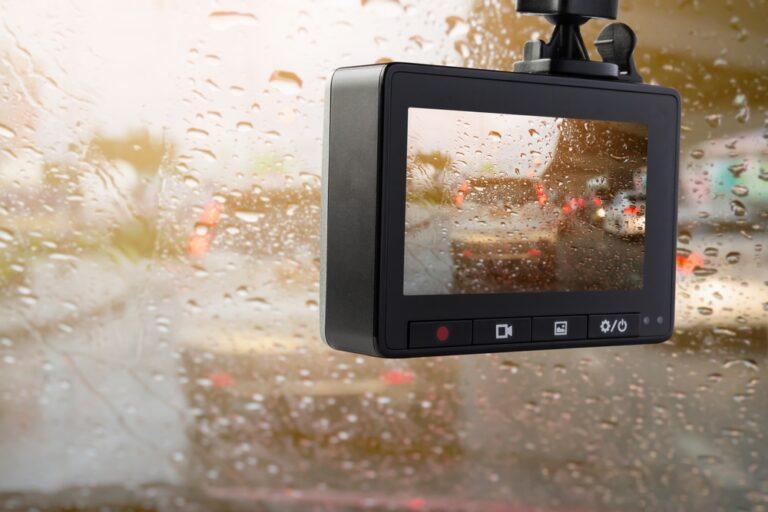
Yes, dashcam footage can help prove fault in a car crash. In fact, it can serve as powerful video evidence, helping to show how the crash happened, who violated traffic laws, and which driver may be legally responsible. In many auto accident claims, it comes down to conflicting driver statements, witness testimony, and police reports.
Dashcam videos can provide real-time evidence of events like a red light violation, reckless driving, or an unsafe lane change. If you have questions about how this type of evidence applies to your case, speaking with a New York City car accident lawyer can help you understand your options and protect your rights after a crash.
How Dashcam Footage Strengthens a Personal Injury Claim
At Shulman & Hill, we often use dashcam footage to support a personal injury claim and clarify what happened during a car accident. As a New York City personal injury lawyer, our role is to gather strong video recordings and combine them with medical records, witness statements, and other evidence to build a compelling case.
Dashcam videos can capture key details that might otherwise be disputed, such as traffic flow, weather conditions, and the exact position of vehicles before impact. This type of clarity can make a significant difference when presenting fault claims to insurance companies or in civil court.
What Dashcam Video Can Show After a Crash
Dash cam footage provides a direct view of the roadway and can capture important moments leading up to and during a crash. Unlike witness cellphones or delayed reports, a dashboard camera records events as they happen.
For example, dash cameras may capture whether a driver ran a traffic light, failed to yield, or caused a collision due to distracted or drunk driving. In areas like Queens Boulevard, the Cross Bronx Expressway, or FDR Drive, where traffic accidents are common, this type of footage can be especially valuable.
In addition, dashcam footage may show surrounding conditions such as traffic signals, road hazards, or the actions of hit-and-run drivers. This can help accident reconstruction experts recreate the crash and support your version of events.

How Dashcams Compare to Other Types of Evidence
While dashcam videos are highly useful, they are often just one piece of a larger case. At Shulman & Hill, we combine multiple forms of evidence to strengthen an auto accident case, including:
- Dashcam footage: Real-time video evidence showing the accident as it happened.
- Police reports: Documentation from police officers who responded to the crash.
- Witness statements: Accounts from people who saw the accident occur.
- Surveillance footage: Video from business security cameras or home surveillance systems nearby.
Other sources, such as traffic camera videos, traffic signal cameras, and body-worn cameras used by law enforcement agencies, may also support your claim.
Are Dashcams Legal in New York?
Dashboard cameras are legal in New York, but there are some important rules to follow. Under New York Vehicle and Traffic Law § 375, the device must be placed so it does not obstruct the driver’s field of view, which is why many dashboard-mounted cameras are installed behind the rearview mirror.
Audio recording is also generally allowed under New York’s one-party consent law, meaning you can record conversations you are part of. Many modern dash cams include features like night vision, wide-angle lenses, and cloud storage using an SD card system to preserve footage.
While following these guidelines helps, dashcam footage must still meet legal standards, such as relevance and authenticity, to be used as evidence in a personal injury case.
How Dashcam Footage Is Used by Insurance Companies
Insurance companies and insurance carriers often rely on dashcam footage when evaluating an insurance claim. Clear video footage can make settlement discussions easier by helping show exactly what happened.
That said, insurance companies may still try to reduce what they pay or question how reliable the footage is. This is why it helps to support it with medical records, accident reconstruction, and expert analysis.
In some cases, digital forensic experts may be used to verify that the footage has not been altered and meets court criteria.
Can Dashcam Video Be Used in Court?
Yes, dashcam footage can be used in civil court as part of a personal injury claim. Judges and juries often find video evidence persuasive because it provides a direct view of the events in question.
However, the footage must meet certain legal standards. It must be relevant, authentic, and clearly show the events related to the car accident. Poor-quality footage or incomplete recordings may carry less weight in court and jury proceedings.
The team at Shulman & Hill works with medical experts and accident reconstruction specialists to ensure all evidence meets the necessary legal requirements.
Limitations of Dashcam Footage in Proving Fault in Car Crashes
While dashcam videos can be helpful in proving fault in a car crash, they are not always perfect. Factors like weather conditions, camera angle, or limited field of view can affect what is captured.
For example, a dashboard camera may not record events outside its range, such as a side-impact collision or actions occurring behind the vehicle. In these situations, additional evidence like surveillance footage or witness testimony becomes important.
Because of these limitations, dashcam footage is most effective when used alongside other forms of evidence.
Get Help Building Your Car Accident Case
Dashcam footage can be especially helpful in proving fault in a car crash. At Shulman & Hill, we have over 200 years of combined experience helping accident victims build strong cases using video evidence and detailed investigations.
We have recovered more than $1 billion for our clients and understand how to handle complex auto accident claims involving insurance companies and legal responsibility disputes. Contact us today for a confidential consultation and let us guide you in pursuing the compensation you deserve.