

Content reviewed by:
Alex Shulman
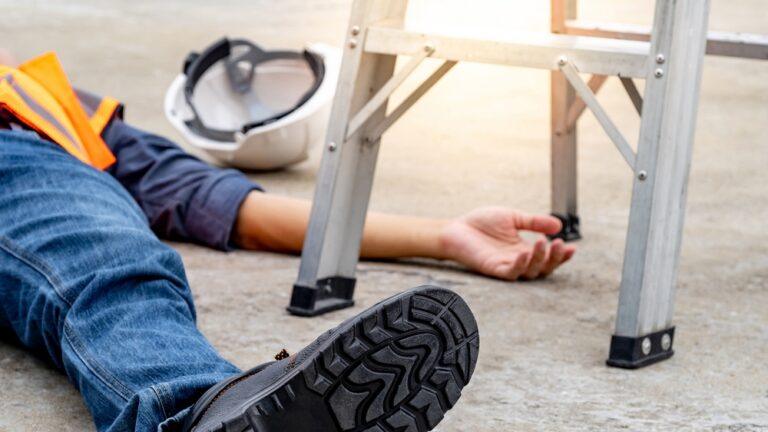
Yes, you can sue after a ladder fall on a construction site if someone other than your employer caused or helped cause the accident.
That does not mean every ladder fall becomes a lawsuit. But on New York construction sites, there may be more than one path to compensation. Workers’ Compensation may cover medical care and part of your lost wages, but it may not cover everything you are going through.
A ladder fall can cause back injuries, neck injuries, traumatic brain injuries, broken bones, and other fall injuries that do not heal quickly. If unsafe conditions, missing safety devices, poor ladder inspection, or ignored safety rules played a role, a New York construction accident lawyer can help you understand whether you have a claim beyond workers’ compensation.
Why Ladder Falls Happen On Construction Sites
Ladders are everywhere on a construction site. They are used for quick jobs, overhead work, painting, electrical work, repairs, and access between levels. Because they feel ordinary, some workers are pushed to use them even when the ladder is not safe for the job.
Ladder accidents may happen because of:
- Poor ladder setup: The ladder is placed on uneven ground, wet floors, debris, or another unstable surface.
- Inappropriate ladder selection: The ladder is too short, too weak, or not designed for the work being done.
- Missing fall protection: Workers are not given proper fall protection equipment when the job requires it.
- Defective equipment: A product defect, broken rung, loose foot, or damaged rail causes the ladder to shift or fail.
- Unsafe work areas: Electrical cords, heavy loads, slips and trips, or active machinery make the area dangerous.
The Occupational Safety and Health Administration has ladder safety rules for construction work, including rules under 29 CFR 1926.1053. OSHA also requires certain ladder surfaces and access points to meet safety standards.
When You May Have a Lawsuit After a Ladder Fall
At Shulman & Hill, we often talk to injured construction workers who think workers’ compensation is the only option. Sometimes it is. But many times, especially in New York, it is not the whole picture.
You usually cannot sue your direct employer for a basic work injury. Workers’ compensation is normally the claim against the employer. But you may be able to file a third-party personal injury claim against another responsible party.
That may include:
- Site owners: The owner may be responsible for unsafe conditions on the property.
- General contractors: The contractor may be responsible for safety failures across the jobsite.
- Subcontractors: Another crew may have created the hazard that caused your ladder fall.
- Third-party vendors: An outside company may have supplied unsafe equipment or created a dangerous condition.
- Manufacturers: A ladder company may be responsible if a product liability issue caused the accident.

How New York Labor Law Can Protect Workers
New York has strong laws for construction workers hurt in falls from heights. One of the most important is Labor Law 240, also called the Scaffold Law.
New York Labor Law Section 240(1) requires owners, contractors, and their agents to provide proper safety devices for certain elevation-related work, including ladders. The statute specifically includes ladders among the devices that may be required for covered work.
Labor Law 241 may also matter after construction accidents. This law can apply when specific New York Industrial Code safety rules were violated on a construction site. The New York State Department of Labor publishes Industrial Code rules through its Division of Safety and Health.
What Injuries Can a Ladder Fall Cause?
A ladder fall accident can look simple from the outside. Someone falls, gets helped up, and maybe tries to keep working. But the body does not always react right away. Pain can build later that day or even over the next few days.
We see injuries such as:
- Herniated disc injuries: A fall can damage discs in the lumbar spine or cervical spine.
- Traumatic brain injuries: A hit to the head can affect memory, mood, sleep, and focus.
- Shoulder injuries: Workers may tear tissue while grabbing for support during the fall.
- Fractures: Wrists, ankles, ribs, and legs are often injured in falls from heights.
- Electrical burns: A ladder near power lines or exposed wiring can create electrocution hazards.
Some workers need therapy, injections, surgery, or long-term care. Some keep working because they need the paycheck, even while they are hurt. That does not automatically mean they have no case.
What Evidence Helps Prove a Ladder Fall Claim?
Evidence matters a lot after construction site accidents. Jobsites change fast. The ladder gets moved. The floor gets cleaned. The crew changes. Someone fixes the problem and then acts like it was never there.
The evidence available after a ladder fall can make a big difference in what happens next. Sometimes the most important details come from records that seem minor at first. An incident report may show exactly when and where the accident happened.
Photos and video taken shortly after the accident can also be helpful, especially if they show missing safety devices, wet floors, debris, or other hazards around the work area. In some cases, inspection records reveal whether the ladder had been checked before it was put into service or whether safety concerns had already been reported.
How Shulman & Hill Helps After a Construction Ladder Fall
At Shulman & Hill, we represent injured workers across New York who were hurt in ladder accidents, scaffolding accidents, and other work accidents. We understand how a construction injury can affect your job, your family, your health, and your future.
We also understand how workers’ compensation and personal injury claims can overlap. You may need wage replacement benefits while also having a separate claim against site owners, general contractors, or another third party.
We do not treat these cases like paperwork. We treat them like they matter because they do. If you were hurt in a ladder fall on a construction site, legal help can protect your rights and help you understand every option available. New York, we got you.