

Content reviewed by:
Alex Shulman
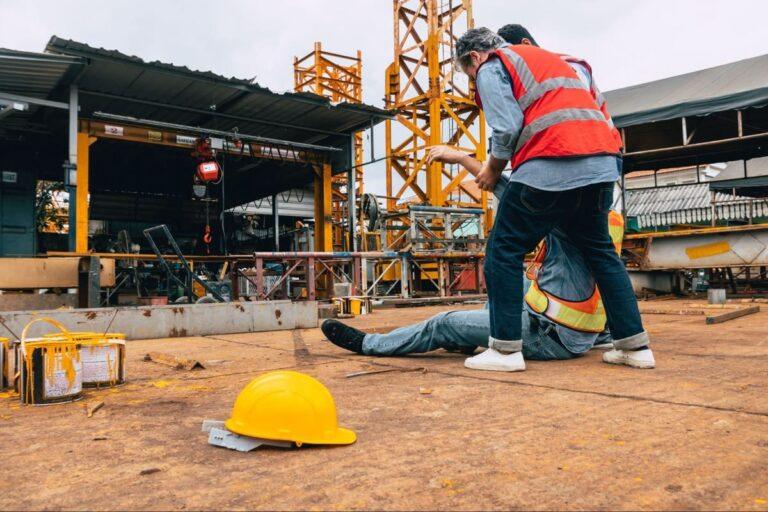
If a worker is injured by a concrete pump hose, they may have the right to workers’ compensation benefits and, in some cases, a separate third-party injury claim. The legal path after the accident depends on how the incident happened and who may have played a role.
If you were hurt on a job site, you may have more than one source of recovery. Workers’ compensation often covers medical care and part of your lost wages, but it may not cover the full effect of the injury on your life.
To learn more, schedule a free consultation with a construction accident lawyer today.
Can a Concrete Pump Hose Injury Lead to a Legal Claim?
Yes, a concrete pump hose injury can lead to a legal claim, though the type of claim depends on the facts. If you were hurt while working, you may be able to file for workers’ compensation through your employer’s insurance. You may also have a personal injury claim against a third party that caused or contributed to the accident.
A third-party claim may exist when someone other than your employer was careless. This can include a subcontractor, general contractor, equipment company, property owner, or manufacturer. These claims are separate from workers’ compensation and may allow recovery for losses that workers’ compensation does not pay.
What Benefits Can an Injured Worker Receive?
An injured worker can often receive workers’ compensation benefits after a concrete pump hose accident. These benefits usually include medical treatment related to the injury and partial wage replacement if you cannot work while recovering. In some cases, benefits may also cover permanent disability or ongoing care.
Workers’ compensation is generally available without proving that your employer did anything wrong. That said, the insurance carrier may still question how the injury happened, whether you reported it on time, or whether the medical condition is tied to the job. Prompt reporting and medical records can make a difference when your claim is reviewed.
If the injury keeps you from returning to the same kind of work, the long-term effect can be serious. A severe construction injury may affect your income, mobility, and ability to perform daily tasks. That is one reason many injured workers also look at whether a third-party claim may be available.

Can You Sue Someone Other Than Your Employer for a Hose-Related Injury?
Yes, you may be able to sue someone other than your employer if that person or company helped cause the accident. This is often called a third-party claim, and it may apply when another contractor, equipment supplier, manufacturer, or property owner acted carelessly. These cases are common on construction sites where multiple companies work at the same location.
A third-party case can be filed alongside a workers’ compensation claim in many situations. Unlike workers’ compensation, a third-party lawsuit may allow you to seek damages for pain and suffering, full lost earnings, and other losses tied to the injury. Whether that option is available depends on the contracts, the work being done, and the source of the hazard.
When a worker is injured by a concrete pump hose, liable third parties may include:
- A manufacturer that made a defective hose or pump part.
- A rental company that provided unsafe equipment.
- A subcontractor that operated the pump in an unsafe manner.
- A general contractor that failed to control job site hazards.
- A property owner that allowed unsafe conditions to remain.
What Should You Do After a Concrete Pump Hose Injury at Work?
You should report the injury as soon as possible, get medical care, and document what happened. Quick action helps protect both your health and your legal rights. If possible, tell a supervisor in writing and keep a copy of that report.
You should also try to preserve evidence connected to the accident. Photos of the hose, pump, surrounding area, and visible injuries may help later. Names of witnesses, incident reports, and medical records can also help show how the concrete pump hose injury happened and what losses followed.
Do not assume that one report to your employer covers every legal issue. A workers’ compensation claim and a third-party case often involve different evidence and deadlines. Early review can help identify whether other parties may be responsible.
How Is Fault Investigated in a Concrete Pump Hose Accident?
Fault in a concrete pump hose accident is investigated by looking at how the equipment was used, who controlled the work, and whether safety rules were followed. Investigators may review maintenance records, inspection reports, witness statements, and training materials. They may also look at whether the hose or pump had a design or manufacturing problem.
Construction accident cases often involve more than one company, which can make the facts harder to sort out. A worker may be employed by one contractor, supervised by another, and injured by equipment supplied by someone else. That is why a full investigation usually focuses on every party that had a role in the pumping operation.
How Long Do You Have to Take Action After a Worker Is Injured by a Concrete Pump Hose?
The time to take action depends on the type of claim involved. Workers’ compensation claims have notice and filing rules, and personal injury lawsuits have separate deadlines. If a public entity is involved, special notice rules may also apply.
Waiting too long can affect your ability to recover benefits or bring a lawsuit. Witness memories may fade, equipment may be altered, and records may become harder to obtain. For that reason, it helps to review your options soon after the accident.
Even if you already started a workers’ compensation claim, that does not always address every possible case. When a worker is injured by a concrete pump hose, the facts should be reviewed to see whether any third-party claim also exists. The available time period depends on the legal route being pursued.
Speak With Shulman & Hill About Your Concrete Pump Hose Injury Claim
If you were hurt in this kind of accident, you may have the right to seek workers’ compensation benefits and possibly bring a third-party claim. The available path depends on who controlled the equipment, how the hose incident happened, and what records show about the job site conditions.
With more than 200 years of combined experience and over $1 billion recovered in damages, Shulman & Hill can review the facts of a concrete pump hose injury and explain your options.
If you want to learn more about your rights after a worker is injured by a concrete pump hose, contact us today and schedule your free consultation.