Content reviewed by:
Alex Shulman
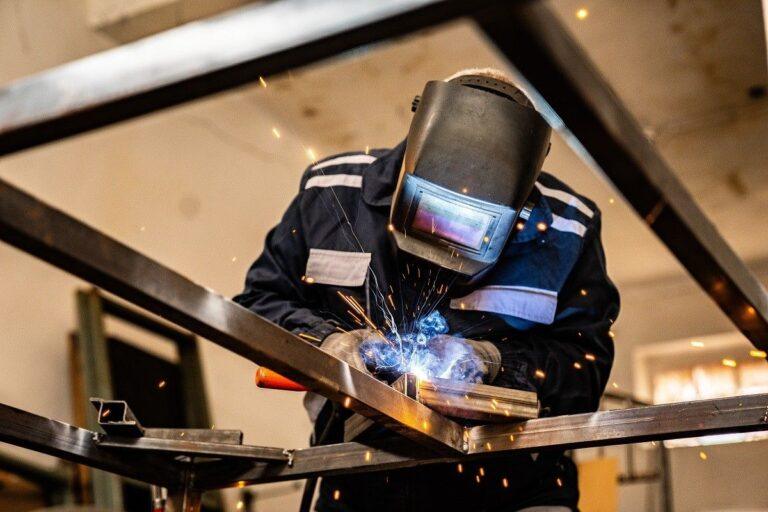
Who is liable for toxic fume exposure during welding work depends on who was responsible for workplace safety, how the exposure occurred, and whether New York safety laws were followed.
A Manhattan welding accident lawyer from Shulman & Hill will review your situation, explain your legal options, and determine whether you have a workers’ compensation claim, a third-party claim, or both.
Cases involving toxic welding fumes often require careful investigation because several companies or contractors may share responsibility on the same job site.
Who Can Be Held Responsible for Unsafe Welding Conditions?
A worker exposed to dangerous welding fumes may have more than one legal option. The answer depends on who had responsibility for job site safety and how the exposure occurred.
Several parties may be responsible, including:
- An employer that failed to provide required safety protections.
- A general contractor overseeing the project.
- A subcontractor that created hazardous conditions.
- A property owner in certain situations.
- A company that supplied defective ventilation equipment or protective gear.
Some employees can receive workers’ compensation benefits without proving fault. Others may also have the right to claim personal injury damages against someone other than their employer if another party’s negligence contributed to the injury.
A Manhattan workers’ compensation lawyer from Shulman & Hill investigates the facts to determine every possible source of financial recovery available under New York law.
Why Are Welding Fumes Dangerous?
Welding creates fumes made up of tiny metal particles and gases. The exact mixture depends on the type of metal, coatings, welding method, and materials used during the job.
Common hazardous substances may include manganese, chromium, nickel, zinc oxide, lead, cadmium, carbon monoxide, ozone, and nitrogen oxides. Breathing these substances over time or during a high-level exposure can lead to serious health problems.
The team at Shulman & Hill helps workers connect their medical condition to the workplace exposure through detailed case investigations.

What Injuries Can Toxic Welding Fumes Cause?
Workers can become sick after one heavy exposure or develop illnesses after breathing welding fumes for weeks, months, or years. Possible injuries and medical conditions include:
- Chemical burns to the lungs
- Metal fume fever
- Chronic bronchitis
- Occupational asthma
- Lung damage
- Reduced lung function
- Neurological problems linked to manganese exposure
- Heavy metal poisoning
- Eye irritation
- Skin burns
- Respiratory failure in severe cases
Symptoms people experience after coming into contact with harmful welding fumes include coughing, chest pain, shortness of breath, headaches, dizziness, fever, nausea, confusion, or ongoing breathing problems.
Shulman & Hill reviews medical records, workplace conditions, and expert opinions when building claims involving toxic exposure injuries.
Can Temporary Workers Receive Workers’ Compensation Benefits?
Many workers holding temporary positions qualify for workers’ compensation benefits in New York. Eligibility usually depends on whether the injury or illness happened because of work, not on whether the job was temporary.
Benefits may include medical treatment, wage replacement benefits if work is missed, disability benefits when appropriate, and benefits for permanent impairments in qualifying cases. Some people continue working after exposure and still qualify for medical benefits. Missing work is not always required.
A Shulman & Hill lawyer will help you understand whether you qualify for benefits, even if you remain on the job.
Can You File a Personal Injury Lawsuit?
Whether you can sue for damages depends on the situation. Workers’ compensation usually prevents an employee from suing their employer directly. New York Workers’ Compensation Law § 11 generally makes workers’ compensation the exclusive remedy against an employer in many workplace injury cases.
A separate personal injury lawsuit may still be available if another party contributed to the exposure, such as a negligent property owner, a general contractor, or another subcontractor. It is common for several companies to work together on construction sites.
A careful investigation by Shulman & Hill may identify someone other than the employer whose actions contributed to unsafe work conditions. We evaluate claims for workers’ compensation and third-party liability when state law allows both to move forward.
What Evidence Can Help Prove a Toxic Fume Exposure Claim?
Medical records can tell only one part of the story. We can also consider other evidence, such as accident or incident reports, inspection records, safety meeting records, air quality testing, ventilation system inspections, and pictures of the work area.
Witness statements, respirator fit-testing records, Material Safety Data Sheets (SDS), and expert opinions from industrial hygienists or medical specialists may also be considered.
The stronger the evidence, the easier it may be to show where the exposure happened and who had responsibility for safety. Shulman & Hill works diligently to gather evidence before it disappears.
How Long Do You Have to File a Claim After a Welding Accident or Injury?
The deadline depends on the type of claim you file. Workers’ compensation claims generally require notice to the employer within 30 days of the accident or occupational disease after the worker knows or should know the condition is work-related. A claim must be filed within two years, according to NY Workers’ Compensation Law §§ 18 and 28.
If you are filing a personal injury lawsuit, you will have a different deadline. Generally, negligence lawsuits in New York are governed by the three-year statute of limitations found in NY CPLR § 214(5).
Shulman & Hill will review your situation and explain any filing deadlines that apply. We also will work to file your case on time.
Get Legal After Exposure to Toxic Fumes During Welding Work
Toxic fume exposure during welding cases often involves more than one workers’ compensation claim. Several contractors, property owners, and insurers can be part of a construction project, making it necessary to look at how the exposure happened and who was responsible for it.
Shulman & Hill has spent more than a decade representing injured New Yorkers. Our firm has secured over $1 billion, and our injury attorneys bring more than 200 years of combined experience to every case.
If New York law allows both a workers’ compensation claim and a personal injury claim, our firm handles both. We represent clients on contingency, so there are no attorney’s fees unless we recover your damages.
Call Shulman & Hill today for a free consultation about your situation and the next steps. Every Borough, Every Block, New York, We Got You.