

Content reviewed by:
Alex Shulman
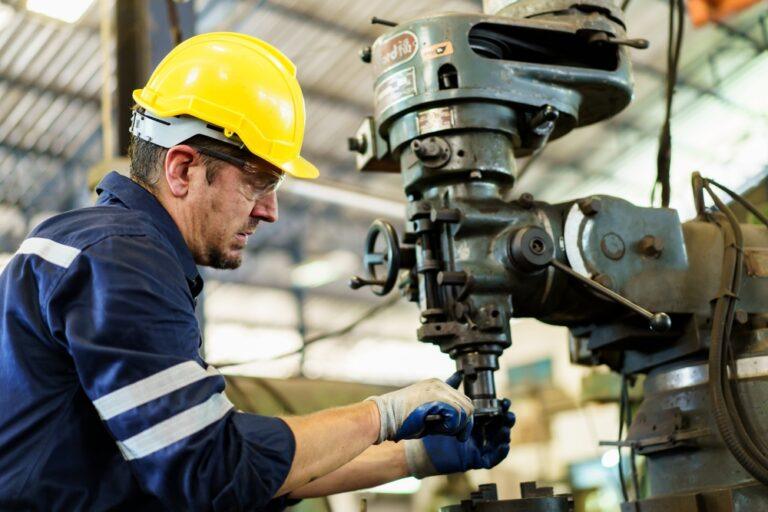
Alt Text: A worker operating machinery. Learn about whether you can sue over missing safety guards on machinery.
Machinery safety guards are designed to prevent workplace injuries. If you were injured because a piece of machinery did not have these guards, you are probably wondering whether you have grounds for a lawsuit.
Whether you can sue over missing safety guards on machinery depends on how and why your injury occurred.
Pursuing compensation for a work injury can be an uphill battle. If you were injured while operating machinery, a New York machinery accident lawyer can take on your case and help you obtain compensation for your losses.
Can You Sue Over Missing Safety Guards on Machines?
Yes, you may be able to sue over missing safety guards on machines. However, your ability to file a lawsuit will depend on who is responsible for the missing guards and how your injury happened.
Most workplace injuries are covered by workers’ compensation insurance, which generally prevents employees from suing their employers directly in exchange for providing medical and wage benefits regardless of fault.
That said, you may be able to file a lawsuit if:
- A machine manufacturer sold unsafe equipment: Some machines are defectively designed or sold without adequate safety features. If a manufacturer failed to include proper guards or warnings, you may have a personal injury claim.
- A third–party contractor removed safety guards: Outside maintenance companies, subcontractors, or repair crews may be liable for your injury if they disable or remove guards while servicing machinery.
- A company ignored known safety hazards: If your employer acted with intentional misconduct or extreme negligence (such as by intentionally removing guards on machinery), it may create grounds for a personal injury claim.
- A defective safety guard failed during operation: If a safety guard malfunctions or fails to provide adequate protection while you are operating machinery, you may have grounds for a workers’ compensation claim.
- Another business controlled the worksite: At construction sites or industrial facilities, multiple companies may share responsibility for maintaining safe machinery. If they fail to do so, you may be able to file third-party personal injury claims.
Who Can Be Held Liable for Missing Safety Guards?
Several parties could be liable for machinery accidents involving missing or defective guards. Those who can be held responsible include:
Employers
Employers are generally responsible for maintaining a safe workplace. This may include:
- Inspecting machinery
- Repairing damaged safety guards
- Training workers properly
- Following workplace safety regulations
- Removing unsafe equipment from service
While workers’ compensation laws usually prevent workers from filing lawsuits against their employers, you may have grounds for legal action if you can prove that your employer acted with gross negligence or malicious intent.
Machine Manufacturers
Manufacturers may be liable if a machine was defectively designed or lacked reasonable safety features. A manufacturer could potentially be responsible for your injury if:
- The machine did not include proper guards.
- The design allowed guards to be easily bypassed.
- Safety warnings were inadequate.
- The equipment malfunctioned during normal use.
Maintenance Companies
Third-party maintenance providers sometimes remove safety guards while servicing machinery. If guards are not reinstalled correctly, workers can get injured.
As such, outside repair contractors may be liable for your injury if their negligence contributed to it.
Property Owners or General Contractors
On multi-employer worksites, property owners or general contractors may share responsibility for maintaining safe conditions. For example, a general contractor on a construction site may be responsible for ensuring that subcontractors follow workplace safety standards.
If those standards are not upheld, you may have grounds for a third-party personal injury claim.

What Types of Compensation Can You Recover for a Workplace Injury?
The compensation available after a machinery accident depends on the type of claim you file and the severity of your injuries. Here’s how it breaks down:
Workers’ Compensation Benefits
Your workers’ compensation benefits may include:
- Medical treatment
- Temporary disability payments
- Permanent disability benefits
- Vocational rehabilitation
- Partial wage replacement
These benefits are generally available regardless of who caused the accident.
Personal Injury Damages
If you sue a third party for negligence, you may be able to recover additional damages, including:
- Lost income (in full)
- Future lost earning capacity
- Pain and suffering
- Emotional distress
- Loss of enjoyment of life
- Long-term medical expenses
Third-party claims often result in substantially larger recoveries than workers’ compensation claims alone.
What Types of Evidence Can Help Prove My Claim?
Strong evidence is critical in machinery injury cases. The more documentation you have, the easier it will be to establish how the accident occurred and who is responsible.
Important types of evidence may include:
- Photos of the machine: Images showing missing or damaged guards can be extremely important.
- Maintenance records: Inspection logs and repair reports may reveal prior safety problems.
- Witness statements: Your coworkers may be able to confirm that guards were removed or ignored.
- Safety violation reports: Prior workplace complaints or citations may support your case.
- Training records: Documentation may show whether you and your coworkers received proper safety instruction.
- Medical records: Documentation of your injuries helps establish their severity.
- Surveillance footage: Video recordings may capture how the accident occurred.
What Types of Machines Commonly Cause Injuries?
Many types of industrial and commercial machines require safety guards. Some of the most common ones include:
- Conveyor belts: Workers can become trapped between moving belts and rollers.
- Power presses: Metal stamping machines can crush hands and fingers without proper guards in place.
- Table saws and cutting machines: Exposed blades create serious amputation risks.
- Forklifts and heavy equipment: Moving mechanical components may cause pinch-point injuries.
- Packaging equipment: Automated machinery can pull workers into dangerous operating areas.
- Industrial mixers and grinders: Rotating components can cause entanglement injuries.
- Printing and manufacturing equipment: High-speed moving parts can create crushing or shearing hazards.
What to Do After a Machinery Accident
The steps you take after a machinery injury can affect both your health and your legal rights. You should:
- Report the accident: Notify your supervisor or employer as soon as possible.
- Get medical treatment: If you wait to see a doctor, you will weaken any potential legal claims.
- Photograph the machinery: If possible, document any missing guard or warning labels, as well as the accident scene.
- Save evidence: Do not throw away damaged clothing, equipment, or other physical evidence.
- Speak to witnesses: Coworkers who saw the accident may provide valuable testimony later.
- Avoid recorded statements: Insurance companies may try to use any statements you give to reduce or even deny your claim. Don’t speak to adjusters until you hire a lawyer.
- Consult a lawyer: Our attorneys can assess your situation and help determine the appropriate course of action.
Get Help from a Machinery Accident Lawyer
Machinery injuries can lead to sky-high medical bills and months off work. If you were hurt because a machine was missing safety guards, an experienced machinery accident attorney from Shulman & Hill can identify who is responsible and help you secure the compensation you deserve.
Schedule a free case review to learn more about your legal options.