

Content reviewed by:
Alex Shulman
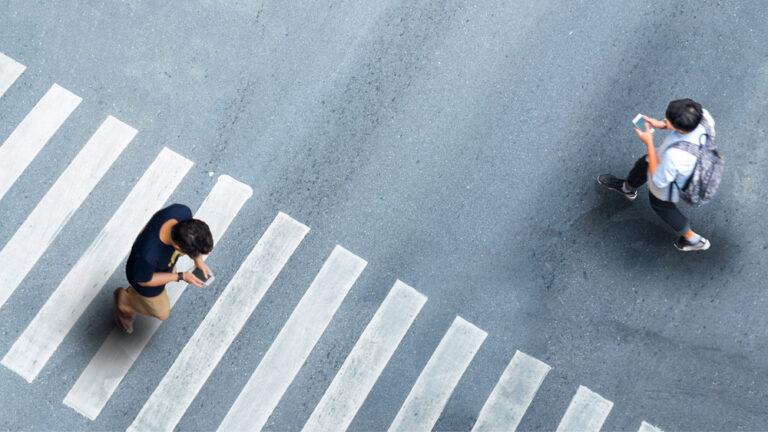
City safety data points to Broadway on the Upper West Side, the Lincoln Center “bow tie,” and Third Avenue at 57th Street among the dangerous intersections for pedestrians in Manhattan.
Below, we cover the city’s crash data, the crossings it flagged, and how a crash location can shape fault. Shulman & Hill Injury Lawyers helps people who were hit while walking seek compensation. Contact our pedestrian accident lawyer in Manhattan if you need help.
What NYC DOT Data Shows About Pedestrian Safety
NYC DOT and the NYPD track every traffic death and serious injury in the city. Their numbers show real progress, along with how much risk remains for people on foot. Shulman & Hill use public accident data to show what a driver should have expected at a given corner.
In January 2026, NYC DOT reported 205 traffic deaths citywide for 2025, the fewest since records began in 1910. Pedestrians still made up 111 of those deaths, more than half of the total. Manhattan recorded 39 traffic deaths of all kinds that year, down from 44 in 2024.
Failure to yield remains a major problem: in the first half of 2025, police wrote 22,375 tickets for failing to yield to pedestrians. That was up 25% from the year before. Many of those violations happen exactly where people cross: at intersections.
Dangerous Intersections for Pedestrians in Manhattan
NYC DOT’s Manhattan Pedestrian Safety Action Plan, released in 2015, flagged 66 priority intersections. That’s about 2% of the borough’s roughly 3,700 intersections, yet those crossings accounted for 15% of pedestrians killed or seriously injured. The plan also named 17 priority corridors, such as Houston Street, which held about half of those crashes.
Crossings the city and local reporting have singled out include:
- Broadway at West 106th Street, where one pedestrian died, and four were seriously hurt between 2009 and 2013
- The Broadway and Columbus Avenue “bow tie” near Lincoln Center
- Broadway at West 71st, 72nd, and 86th Streets on the Upper West Side
- Third Avenue at East 57th Street
- Second Avenue at the RFK Bridge on-ramps
- Broadway at West 96th Street, where two pedestrians were killed in 2014
Many of these crossings have been redesigned. The dangerous intersections for pedestrians in Manhattan today may differ from the 2015 list. Shulman & Hill checks current crash data and street conditions when we look at where a client was hit.
How Vision Zero Works to Protect Pedestrians
Vision Zero is the city’s program, launched in 2014, to end traffic deaths and serious injuries. Since then, traffic deaths have dropped 31%. The program combines street design, enforcement, and education.
Speed cameras near schools now run 24 hours a day, and NYC DOT reports they cut deadly speeding by more than 90%. The city has also added protected bike lanes, wider sidewalks, and nearly 2 million square feet of new pedestrian space. Police focus enforcement on the highest-crash corridors.
The city’s Vision Zero View map lets anyone look up crashes, injuries, and deaths at a specific location. Shulman & Hill often start there when building a timeline of what happened at a crossing.
How the Crash Location Affects Liability
Where you were hit can shape who is at fault. Drivers must yield to people in a crosswalk when they have the walk signal. A driver turning left or right through a crosswalk usually has a duty to stop for you.
A corner with a known history of crashes may also show that the danger was easy to foresee. Some factors can shift part of the blame:
- Crossing against the signal or outside a crosswalk
- A missing walk signal or a broken traffic light
- Construction barriers that forced people into the street
- A delivery truck or bus blocking a driver’s view
- Poor lighting or faded crosswalk markings
Under the state’s comparative fault rule, crossing mid-block or against the light doesn’t automatically end your claim. Your recovery may shrink by your share of fault, but a careless driver can still be held responsible. If a broken signal or unsafe road design played a role, Shulman & Hill may also pursue a claim against a city agency.
What to Do After Being Hit at a Crossing
Your health comes before paperwork, so call 911 and see a doctor. Even if you can walk away, injuries like concussions and torn ligaments may not show up right away. A police report also gives your claim an official starting point.
If you’re able, take photos of the crosswalk, the signals, the car, and your injuries. Get the driver’s name, plate, and insurance details. Ask anyone nearby what they saw and how to reach them.
Then write down the time, the signal phase you remember, and which way the car was turning. Shulman & Hill can use those notes to request footage from nearby cameras before it’s erased.
Talk to Shulman & Hill About Your Pedestrian Accident
Knowing the dangerous intersections for pedestrians in Manhattan can help you stay alert, but it won’t pay your medical bills after a crash. Your claim depends on the evidence from your crossing, not whether it appears on a list.
Shulman & Hill’s clients have recovered upward of $1 billion since our founding in 2013. Schedule your free consultation with our pedestrian injury team today to learn where your claim stands.