

Content reviewed by:
Alex Shulman
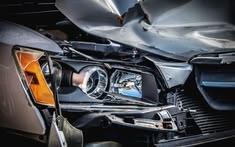
Under New York law, a hit-and-run happens when a driver in a crash leaves without stopping, showing a license and insurance card, and sharing contact details. The rule applies when a crash damages property or hurts a person. The driver only needs to know, or have reason to know, that the crash caused harm.
At Shulman & Hill Injury Lawyers, we often explain what counts as a hit-and-run under New York law in Queens to people who were hurt and left at the scene.
Below, we cover what the law requires, what a fleeing driver could face, and how insurance may still pay for your injuries. Our Queens hit and run lawyer page explains how we handle these claims.
How New York Law Defines a Hit-and-Run in Queens
A driver who knows, or has cause to know, that their car damaged property or hurt someone must stop. Driving away without meeting those duties is called leaving the scene, or a hit-and-run. Before leaving, the driver must show their license and insurance card and give the other person:
- Their name and home address
- Their driver’s license number
- The name of their insurance company and their policy details
- The plate number of the vehicle
If no one is there, such as with a parked car, the driver must report the crash to the nearest police station as soon as they can. When someone is hurt, the driver must also tell the police.
A short stop doesn’t change what counts as a hit-and-run under New York law in Queens. A driver who pauses, then leaves without sharing this information, has still left the scene.
Penalties for Leaving the Scene of a Crash
The penalty depends on what the crash caused. A driver who leaves after damaging only property commits a traffic infraction. That can mean a fine of up to $250, up to 15 days in jail, or both.
When someone is hurt, the charges get more serious:
- Failing only to show a license and insurance card or share information is a class B misdemeanor, with a fine of $250 to $500
- Other violations involving an injury are a class A misdemeanor
- A repeat violation involving an injury can be a class E felony
- Leaving after a crash that causes serious physical injury is a class E felony, with a fine of $1,000 to $5,000
- Leaving after a crash that causes a death is a class D felony, with a fine of $2,000 to $5,000
These penalties come from the criminal case, which the state brings against the driver. Your injury claim is separate. At Shulman & Hill, we pursue compensation for clients whether or not police ever make an arrest.

Using No-Fault and Uninsured Motorist Coverage
New York is a no-fault state. Your own auto policy pays first for medical bills and part of your lost wages, no matter who caused the crash. This coverage still applies if the other driver is never found.
You generally have 30 days from the crash to file your no-fault application. Your policy also includes uninsured motorist coverage, which New York requires. If the driver who hit you is never found, this coverage may pay for losses that no-fault doesn’t, such as pain and suffering.
These claims have strict rules. The fleeing car usually must have touched you or your vehicle, and you should report the crash to police within 24 hours. Shulman & Hill urges clients to tell their insurer right away, since many policies set notice deadlines as short as 90 days.
How MVAIC Helps Queens Victims Without Insurance
Many Queens residents don’t own a car, so they have no auto policy to turn to after a hit-and-run. The Motor Vehicle Accident Indemnification Corporation, known as MVAIC, can step in for people in that spot. Pedestrians, cyclists, and passengers with no auto coverage in their household may qualify.
To qualify, you generally must have been a New York resident at the time of the crash and have no other auto insurance. The owner of the vehicle involved, and the owner’s spouse riding as a passenger, are usually not eligible. The crash must be reported to police within 24 hours.
MVAIC also sets a firm deadline. For a hit-and-run, you must file a Notice of Intention to make a claim within 90 days of the crash. Shulman & Hill helps clients gather the police report, medical records, and proof of residence that MVAIC asks for.
What to Do After a Hit-and-Run in Queens
Call 911 and get medical care first, even if you feel fine. Some injuries, like concussions, don’t show symptoms right away. A police report also starts the paper trail that insurance and MVAIC claims depend on.
Write down what you remember about the car, such as its color, make, part of the plate, and which way it went. Ask nearby people what they saw, and note any stores or homes with cameras. Video can be erased within days, so act fast.
Shulman & Hill runs its own investigations in-house. Our team tracks down camera footage, witness statements, and police records to try to identify the driver. Since 2013, we have recovered more than $1 billion for clients, though every case is different and past results do not predict future outcomes.
Get Help With Your Hit-and-Run Claim
Knowing what counts as a hit-and-run under New York law in Queens is the first step. The next is protecting your claim before the 24-hour, 30-day, and 90-day deadlines pass.
Shulman & Hill works on a contingency fee, so you pay nothing unless we recover money for you. Reach out today for a free case review and find out which coverage may apply to your crash.