Content reviewed by:
Alex Shulman
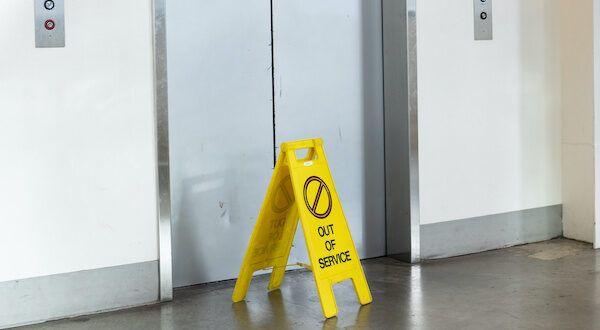
Liability for an open elevator shaft injury usually falls on the building owner, the property management company, or the elevator maintenance contractor. In some situations, all three may be liable for an accident.
Finding out who is at fault requires examining documents like maintenance logs and code compliance histories, which are not available to the public. If you or a family member has been hurt in an open elevator shaft incident, it is often smart to get legal help.
Shulman & Hill Injury Lawyers has recovered more than $1 billion in settlements and jury awards for injured clients. Every Borough, Every Block, New York, We Got You. Find out how our premises liability lawyers in Manhattan can help when you call for your free consultation.
How Does New York Premises Liability Law Apply to Elevator Shaft Accidents?
New York premises liability law focuses on whether a property owner or another responsible party acted reasonably to prevent foreseeable harm. An injured person generally must show that a dangerous condition existed and that the responsible party failed to address it.
Establishing negligence often involves proving that the owner knew about the open elevator shaft or that the issue existed long enough that inspections should have discovered it.
Shulman & Hill helps clients who have been hurt figure out how the law applies to their situations. Every accident involving an elevator shaft has its own specifics, and who pays for elevator injury claims depends on what happened in each particular case.
When Are Property Owners Liable for Open Elevator Shaft Injuries?
New York property owners generally have a responsibility to maintain reasonably safe premises. When an owner knows about a dangerous condition, or should have discovered it through reasonable care, the owner may be held responsible for resulting injuries.
If a shaft is left uncovered, improperly secured, or accessible to people who should not be exposed to it, the property owner may face questions about whether proper precautions were taken.
Shulman & Hill understands that determining responsibility after a fall into an elevator shaft is rarely simple. A careful review of the property, maintenance practices, and circumstances leading up to the accident may help clarify whether negligence occurred.

What Are Contractors and Maintenance Companies Liable for Elevator Injuries?
Elevator work often involves contractors, repair companies, and maintenance professionals. These parties may have duties related to safety, depending on the work they were hired to perform and the agreements involved.
If a contractor creates a dangerous situation while working, that company could be part of an injury claim. The key question is whether the contractor acted correctly based on professional standards in that situation.
Shulman & Hill can investigate whether a third party contributed to an elevator shaft accident. Identifying every responsible party may be important because multiple parties can sometimes share liability under New York law.
What Evidence Can Help Prove an Elevator Shaft Injury Claim?
Strong evidence is crucial in a premises liability case involving an open elevator shaft. Conditions at a property can change quickly, so documenting events may become essential.
- Photographs or video showing the condition of the elevator shaft area can help demonstrate the hazard.
- Building records may provide information about inspections, repairs, or maintenance responsibilities.
- Witness statements may help establish how the accident occurred and who controlled the area.
Shulman & Hill can help review the available evidence and determine what information may support a claim. A thorough investigation may reveal details that are not immediately clear after the accident.
How Long Do You Have to File a Claim?
Under New York Civil Practice Law and Rules § 214, the statute of limitations for most negligence claims, including many premises liability cases involving an open elevator shaft, is three years from the date of the injury.
Additional deadlines may apply in specific situations, and it is important to determine which time limit applies to your case. For example, injuries that occur in public buildings require a Notice of Claim filed within 90 days of the incident.
If you miss your filing deadline, you may lose your rights to pursue legal action. Our team at Shulman & Hill can help you understand the filing deadlines that apply to your specific claim and keep your case on the right track.
Get Legal Help After an Open Elevator Shaft Accident
Liability for an open elevator shaft injury usually falls on the building owner, the property management company, or the elevator maintenance contractor. In some situations, all three may be liable for an accident.
Finding out who is at fault requires examining documents like maintenance logs and code compliance histories, which are not available to the public. If you or a family member has been hurt in an open elevator shaft incident, it is often smart to get legal help.
Our team at Shulman & Hill has more than 200 years of combined legal experience, standing up for New Yorkers who were injured because of another party’s negligence.
Call today and schedule your free consultation. Let’s get started on your case. Every Borough, Every Block, New York, We Got You.