Content reviewed by:
Alex Shulman
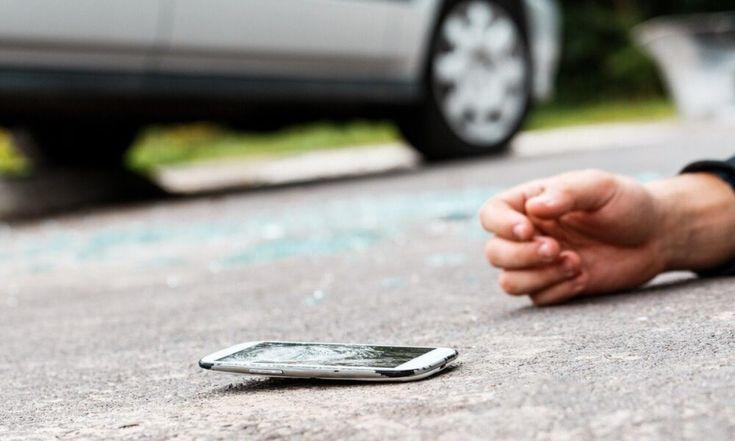
When a driver fails to yield to a pedestrian, the driver is usually the one held liable. New York law requires motorists to give pedestrians the right of way in specific situations. Liability in these cases can also depend on traffic signals and crosswalk markings.
A failure-to-yield crash often results in medical expenses, lost income from time away from work, and a complicated insurance claims process that involves multiple parties. If you have been struck by a vehicle, a personal injury lawyer can protect your rights.
Shulman & Hill Injury Lawyers has won more than $1 billion in settlements and awards for accident victims. Call for a free consultation and learn how our pedestrian accident lawyer in Manhattan can help with your case. Every Borough, Every Block, New York, We Got You.
What Counts as Failing to Yield?
Failing to yield occurs when a driver proceeds without allowing a pedestrian who has the right of way to cross. This typically happens at intersections or when a driver does not observe a pedestrian who is already in a crosswalk.
New York drivers have a legal duty to observe traffic signals and watch for pedestrians who have the right of way. Drivers must stay attentive whenever they approach intersections or other locations where pedestrians are reasonably expected to be present.
Shulman & Hill evaluates the specific circumstances of each crash, including crosswalk markings and signal timing, to determine how liability applies under New York law. If you have been hit by a car and you were following the rules, you may have a legal case.
How Is Liability Determined After the Crash?
New York law requires drivers to yield to pedestrians crossing within a marked or unmarked crosswalk at an intersection. This requirement applies regardless of whether a traffic signal is present at that location.
To recover compensation after a pedestrian accident in New York, the injured person generally must establish the four elements of negligence: duty, breach, causation, and damages. Each element must be supported by evidence.
Duty of Care
In New York, every driver must legally exercise care when driving and stay alert for pedestrians. Drivers need to follow crosswalk rules and give way when required by law. If a driver does not do this and injures someone, they may not have fulfilled their duty of care.
Breach of Duty
A breach of duty happens when a driver fails to meet the standard of reasonable care expected under the circumstances. A driver who fails to yield to a pedestrian or drives while distracted may have breached that duty. Whether a breach occurred depends on the facts surrounding the collision.
Causation
The pedestrian must then establish that the driver’s breach of duty caused the accident and resulting injuries. In other words, there must be a direct connection between the driver’s negligent conduct and the harm suffered.
Damages
To file a pedestrian accident claim, you need to prove that the accident caused real harm. Our team at Shulman & Hill will help you show that the accident led to financial losses or physical injuries that can be compensated under New York law.

How Does No-Fault Insurance Apply?
New York’s No-Fault insurance system allows pedestrians to seek coverage for medical expenses and lost wages through the driver’s policy, regardless of fault. This coverage is limited to specific categories and amounts set by policy terms.
No-Fault benefits do not include pain and suffering damages, and coverage limits often do not cover the full cost of treatment for serious injuries. Pursuing additional damages requires meeting New York’s statutory serious injury threshold under No-Fault.
Our attorneys at Shulman & Hill will evaluate whether an injury meets the serious injury threshold and identify what additional claims may be available beyond No-Fault coverage. We help injured accident victims seek the maximum possible compensation.
What Is New York’s Comparative Negligence Rule?
New York follows a pure comparative negligence rule, under which a pedestrian may recover damages even if partially at fault for the crash. As outlined in New York Civil CPLR § 1411, compensation is reduced in proportion to the pedestrian’s assigned percentage of fault.
Shulman & Hill will work to ensure liability is based on the facts of the accident rather than unfair assumptions. We review fault determinations made by insurance companies and challenge those that are not supported by the evidence.
Get Legal Help After a Pedestrian Accident
When a driver fails to yield to a pedestrian, they are typically liable for the accident. However, there may be cases where others share liability, including the pedestrian. Insurance companies may question liability or attempt to minimize the value of a claim.
Establishing liability requires applying New York’s right-of-way statutes and comparative negligence. An attorney can help you understand your rights and pursue compensation under New York law.
Our team at Shulman & Hill has more than 200 years of combined legal experience, advocating for injured New Yorkers. We can evaluate the circumstances surrounding your pedestrian accident and work to build a strong claim. Call for a free, no-obligation consultation.