

Content reviewed by:
Alex Shulman
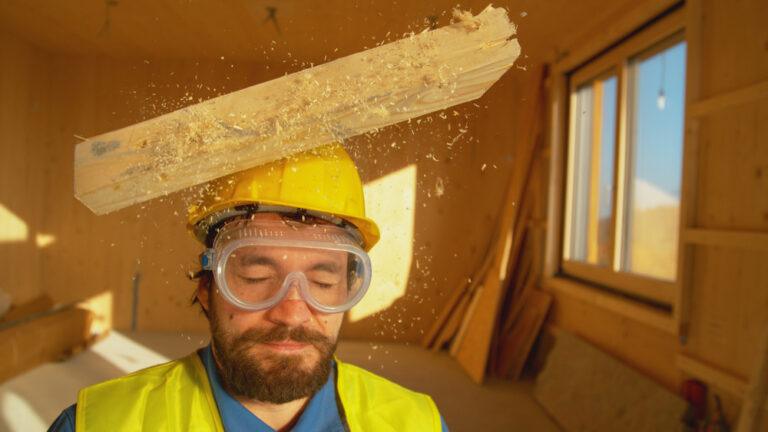
Who pays for injuries caused by falling job site debris depends on who was responsible for the hazard, where the accident happened, and whether the injured person was a construction worker or someone simply passing by.
Falling debris accidents happen on construction sites more often than many people realize. When they do, figuring out who should pay is not always straightforward. A New York construction accident lawyer can help identify the responsible parties and determine what compensation may be available.
More Than One Party May Be Responsible
One of the first questions after a falling debris accident is who allowed the dangerous condition to exist. The answer is not always obvious. Construction projects often involve property owners, a general contractor, subcontractors, equipment suppliers, and other companies working in the same area.
A worker may assume their employer is responsible, but that is not always the case. The real cause may be unsecured items, defective workplace equipment, missing protective equipment, or a failure to follow safety protocols. Determining who controlled the work area and who was responsible for safety is often a major part of the investigation.
In many construction accidents, more than one party shares responsibility. That can make these claims more complicated, but it can also create additional sources of compensation for an injured person.
Falling Objects Can Cause Severe Injuries
People often think of falling debris as small pieces of material. In reality, falling objects can include power tools, metal shards, construction materials, and equipment being moved overhead.
Common sources of falling debris include:
- Building materials: Lumber, drywall, bricks, and other supplies can fall when they are stacked improperly or moved without adequate protection.
- Power tools: A dropped drill, saw, or other tool can cause serious injuries when workers are operating above ground level.
- Metal fragments: Cutting, welding, and demolition work can send sharp pieces of metal into areas where workers or pedestrians are present.
- Unsecured items: Materials that are not tied down or properly stored may shift unexpectedly and fall from elevated surfaces.
- Construction waste: Loose C&D waste left near roof edges, scaffolding, or upper floors can become a hazard if it is not removed promptly.
Even a worker wearing a hard hat can suffer serious injuries when struck by an object; accidents occur. Depending on the circumstances, victims may suffer a traumatic brain injury, spinal cord injury, fractures, or other long-term medical problems. Falling object injuries remain a serious concern throughout the construction industry.

Workers’ Compensation Is Not Always The Whole Story
Many injured construction workers qualify for workers’ compensation benefits after a job-site accident. A workers’ compensation claim may help cover medical bills, lost wages, and disability benefits while the worker recovers.
However, workers’ compensation does not usually provide compensation for pain and suffering. That is why many injured workers are surprised to learn they may have other legal options.
Depending on the circumstances, compensation may include:
- Medical bills: Costs related to emergency care, surgery, rehabilitation, and follow-up treatment.
- Lost wages: Income lost while recovering from a worker injury.
- Disability benefits: Compensation for temporary or permanent impairments.
- Pain and suffering: Damages that may be available through a personal injury claim.
- Future expenses: Ongoing treatment and long-term care needs.
If someone other than your employer contributed to the accident, a third-party liability claim may be available. A third-party personal injury claim can sometimes provide compensation beyond workers’ compensation benefits.
New York Law Provides Additional Protection
New York law provides construction workers with protections that are not available in many other states. These laws often become important when a worker is injured by falling objects or debris on a construction site.
Labor Law §240, commonly known as the Scaffold Law or Labor Law Section 240, may apply when falling debris should have been secured or when proper safety devices were not provided. The law places significant responsibility on certain parties involved in construction work.
Labor Law §241 may apply when violations of the New York Industrial Code contribute to construction site accidents. Labor Law §200 can also apply when unsafe conditions exist on a jobsite. Depending on the facts, these labor law protections may support a separate personal injury lawsuit in addition to a workers’ compensation claim.
Pedestrians Can Be Injured Too
Not every falling debris victim works in construction. In New York City, active construction sites are often located next to businesses, apartment buildings, and public sidewalks.
A pedestrian walking through a construction zone may suffer serious injuries if debris falls from above. Construction companies are expected to use safety nets, debris nets, catch platforms, safety signage, and other protective measures to help protect the public.
When a bystander is injured, the claim is usually handled differently than a workers’ compensation case. Property owners, contractors, and other responsible parties may face direct liability through a personal injury claim.
How Shulman & Hill Investigates Falling Debris Cases
At Shulman & Hill, we know that falling debris cases are rarely as simple as they appear. Multiple companies may be involved on the same construction site, and determining who is responsible often requires a detailed investigation.
We help injured workers and other accident victims understand their options under New York law. Whether the case involves workers’ compensation benefits, a third-party personal injury claim, or protections under Labor Law §240 or Labor Law §241, we work to identify every available source of compensation.
If you were injured by falling debris on a construction site, getting legal guidance early can help protect your rights. Our team is committed to helping New Yorkers pursue the compensation they need to move forward after a serious injury.