
Content reviewed by:
Alex Shulman
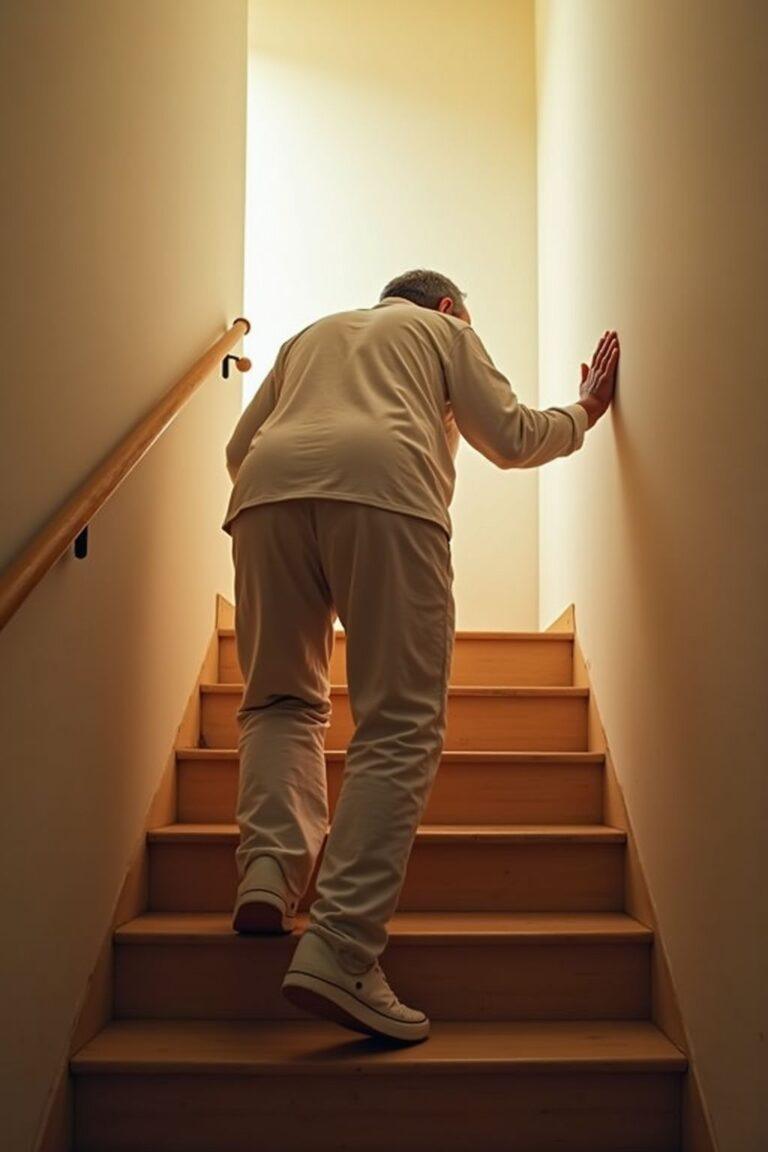
The answer as to who pays when a home health aide falls on the stairs at a client’s home depends on your employment status, how the fall occurred, and who is liable for the dangerous conditions that caused it.
Obtaining compensation for an injury you sustained in a client’s home can be challenging. A New York workers’ compensation lawyer can identify who is responsible for your fall and help you file a claim.
Who Pays When a Home Health Aide Falls on a Client’s Stairs?
If you fell on a client’s stairs while working as a home health aide, the party responsible for paying for your injuries will depend on the circumstances of your accident, your employment status, and who was responsible for the unsafe conditions. In many cases, more than one source of compensation may be available.
Potential sources of compensation include:
- Workers‘ compensation insurance: If you are employed by a home health agency, your employer’s workers’ compensation insurance may pay for medical treatment, partial lost wages, and other losses regardless of who caused the accident.
- The client’s homeowners insurance: If negligence on the part of the client or their family contributed to your fall, their homeowner’s liability insurance may cover your damages.
- A landlord‘s insurance policy: If the client rents the home and the landlord was responsible for maintaining or repairing the stairs, the landlord’s insurance may be responsible for your damages.
- A property management company’s insurance: If a property management company failed to address a dangerous condition it was responsible for maintaining, its insurance may provide coverage.
- A contractor or maintenance company‘s insurance: If negligent construction, repairs, or maintenance created the unsafe stairs, the contractor or maintenance company may be liable for your injuries.
- A product manufacturer‘s insurance: If a defective handrail, stair component, or building material caused or contributed to the accident, the manufacturer can be held liable.
- Your own insurance policies: Depending on your coverage, your health insurance, disability insurance, or other applicable policies may help cover certain expenses.
Can You Sue the Homeowner?
It depends. If you work for a home health agency, workers’ compensation is your exclusive remedy against your employer. However, if the homeowner or property owner’s negligence contributed to your fall, you can still pursue a third-party personal injury lawsuit against them in addition to seeking workers’ compensation benefits.
Specifically, you may have grounds for a lawsuit if:
- The homeowner knew a step was broken but never repaired it.
- A loose handrail had been unstable for months.
- The homeowner failed to remove snow or ice from exterior stairs.
- Poor lighting made it difficult to see on the stairs.
- The homeowner ignored repeated complaints about hazardous stairs.

Who Pays if You Are an Independent Contractor?
If you are an independent contractor, you may not be covered by workers’ compensation insurance. Instead, you may need to seek compensation through a premises liability claim against the homeowner, landlord, property management company, contractor, or another party whose negligence caused your fall.
Depending on your coverage, your own health or disability insurance may also help pay some expenses while your claim is pending.
Keep in mind that some workers are incorrectly classified as independent contractors. If you were legally an employee despite your classification, you may still qualify for workers’ compensation benefits in addition to any other claims you pursue. An attorney can review your employment status and determine the sources of compensation that are available to you.
What Types of Compensation Are Available?
The types of damages you can pursue for this type of accident will depend on whether you file a workers’ comp claim, a personal injury claim, or both.
Damages you may be entitled to include:
- Medical bills: You can recover the cost of emergency treatment, surgery, rehabilitation, prescriptions, and future medical treatment.
- Lost income: You can recover wages you lost while you were unable to work because of your injuries.
- Loss of future earning capacity: You may receive additional compensation if permanent injuries impact your future career prospects.
- Pain and suffering: You can receive compensation for the physical pain and emotional distress caused by the accident via a personal injury lawsuit.
- Loss of enjoyment of life: You can receive additional compensation if your injuries permanently diminish your ability to participate in hobbies and daily activities you once enjoyed.
- Permanent disability: You can recover damages for lasting impairments that affect your quality of life and ability to work.
- Punitive damages: In rare cases involving especially reckless or intentional misconduct, you may be awarded punitive damages meant to punish the wrongdoer and discourage similar conduct.
What Makes Stairs Unsafe?
Not every fall results from negligence. That said, property owners generally have a duty to maintain reasonably safe conditions for lawful visitors, including home health aides.
Common causes of staircase injuries include:
- Loose or broken steps
- Missing or unstable handrails
- Torn carpeting
- Uneven stair heights
- Poor lighting
- Wet or slippery surfaces
- Loose floor coverings
- Debris left on the stairs
- Ice or snow on outdoor steps
- Broken concrete or cracked stairways
- Rotting wooden steps
- Missing anti-slip treads
Steps to Take After Falling on Unsafe Stairs
The actions you take after a stairway accident can affect both your health and any legal claims you pursue.
You should:
- Take photographs of the stairs, lighting, handrails, and surrounding area (if you can safely do so).
- Notify the homeowner of the hazardous condition.
- Obtain the names and contact information of any witnesses.
- Seek immediate medical attention, even if your injuries seem minor.
- Report the accident to your employer as soon as possible.
- Keep copies of your medical records, bills, and receipts.
- Follow your doctor’s treatment recommendations.
- Avoid giving any recorded statements to insurance companies before hiring a lawyer.
- Keep any clothing or footwear involved in the accident.
- Speak with a personal injury attorney to learn about your options.
Book a Free Case Review
Determining who is responsible for a staircase accident can be difficult. If you suffered serious injuries, an attorney from Shulman & Hill can review your case, determine who is responsible for your damages, and help you recover compensation.
Schedule a free case review to find out more about your legal options.